Can You Legally Record a Stranger Without Being Prosecuted?
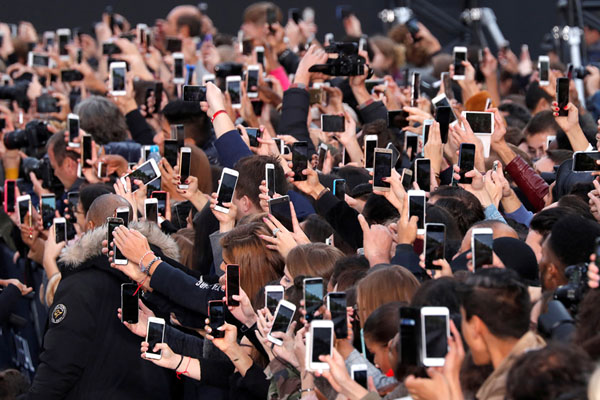
In today’s world of technology where we are always trying to have the next viral video on Twitter or we want to catch an enemy saying the wrong things, can we legally take videos of strangers on the street or record a phone call without consent ?
The simple answer to this question is pretty much NO !!
I found two articles of experts from two different fields discussing this topic at great lengths. The first article is written by Stimmel Law Offices, this firm is very prominent in the San Francisco area and was founded in 1939. This law office created their “Articles Page”, to provide a free service to the general public to inform themselves on common civil and business laws. This specific article is titled “Secret Recording of Conversations in California – A Crime” and the authors begin by explaining the basics of this law. In short, the article explains that California has very strict wiretapping laws, which require all parties of a phone call, video, etc. to consent to being recorded. Without having the consent of all parties involved a “secret recording” will not be accepted as evidence in a court of law. The authors also highlight that there are many more better “evidence based” ways to incriminate someone, and it seems to be quiet unethical for someone to be recorded without prior knowledge.
In the second article, the speakers come from a different field, entertainment, but their experience in today’s technological world makes them somewhat informed on secret recordings. However, these two non-experts talk with two experts about why people feel the need to record others and when is it legal to record people. Specifically, expert Jennifer Ellis who is a lawyer explains in depth when it is allowed to record people. Unlike the Stimmel Law Offices article, Ellis extensively highlights the loopholes of Californias in relation to audio and video recordings. The loophole the law firm speaks about is, if the parties did not expect reasonable privacy then it is completely legal to record. However, they do highlight it is very hard to determine what conversations should be deemed as private and which should not. This “gray” area is what makes law so complicated, because what should society define a private vs. public conversation as. Ellis actually clears up this confusion by explain that video recordings with no sounds are easier to get away with than audio. She also uses the example of if you are in Starbucks and they ask you to stop recording you must stop because private businesses or even people can set their own rules.
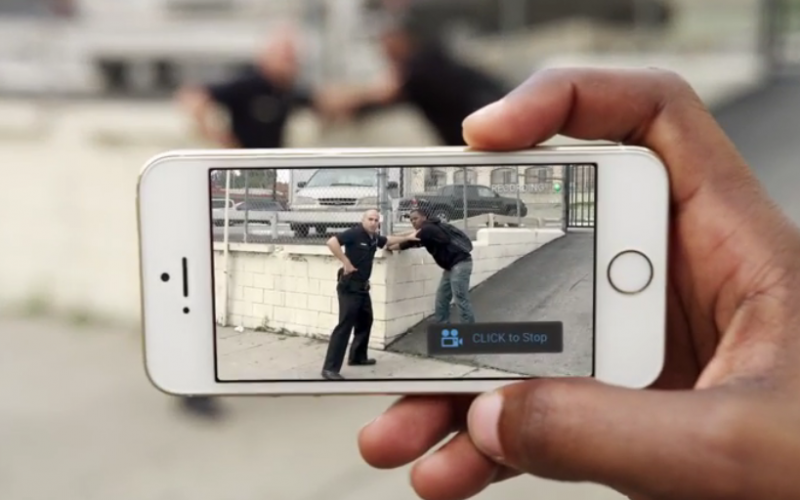
One really interesting point discussed in the two non-experts conversation with Ellis is the topic of recording police brutality. I feel like I’ve seen many videos of bystanders recording an officers behavior and i’ve always wondered if that was legal, Ellis explains that it is completely legal to do this. It is legal to record an on duty police officer, as long as you are not interfering in their “work”, this is because police officers serve the public so when they are on duty they have no reasonable expectation to privacy. However, when an officer comes into your home with a body camera a gray area arises because most people do expect privacy in their own home.

The previous point relates back to prospective lawyers, because technology has played a huge role in attaining evidence over the course of this century. Yet, as a lawyer it is good to be informed about to what extent can we use smartphones, as an example, to attain evidence. As a society we want our current and future lawyers to be able to seek out evidence morally and ethically.
This topic also relates to non-members of the legal community as well, because I feel like everyone should know when and when not to record things. Mostly millennials like myself I feel like always want to take out their phones and start recording things but it’s important to know when recording is allowed. I think that everyone should respect other privacy and sometimes people do not want to be exposed on the internet through viral videos. As for legal professionals I think that privacy is an important topic because they are on the side of the law and in our Bill of Rights we are entitled to privacy. We want privacy because it obviously wouldn’t feel good if we always had to watch what we say at all times. In today’s society, is so easy to voice record on our smartphones or learn to wiretap on the internet that we forget about the consequences of these actions. For the general public, I think it is important for them to learn when we should be more careful about recording. Ellis uses the example of taking photos or videos at the gym and the fact that it could be illegal to do such things because people might be undressed in the background. This is something that I have never thought about before and I think that others should also be aware, so they could stay out of getting in trouble.
Here a link to the podcast where these experts in different field talk about recording strangers in today’s society.
Resources:
https://www.theverge.com/2018/10/24/18015374/whyd-you-push-that-button-record-stranger-public
https://www.stimmel-law.com/en/articles/secret-recording-conversations-california-crime
http://www.dmlp.org/legal-guide/recording-phone-calls-and-conversations
 So You Want 2 Study Law?